
He Hīkoi Whakaora – A Journey of Restoration, Reconnection & Legacy
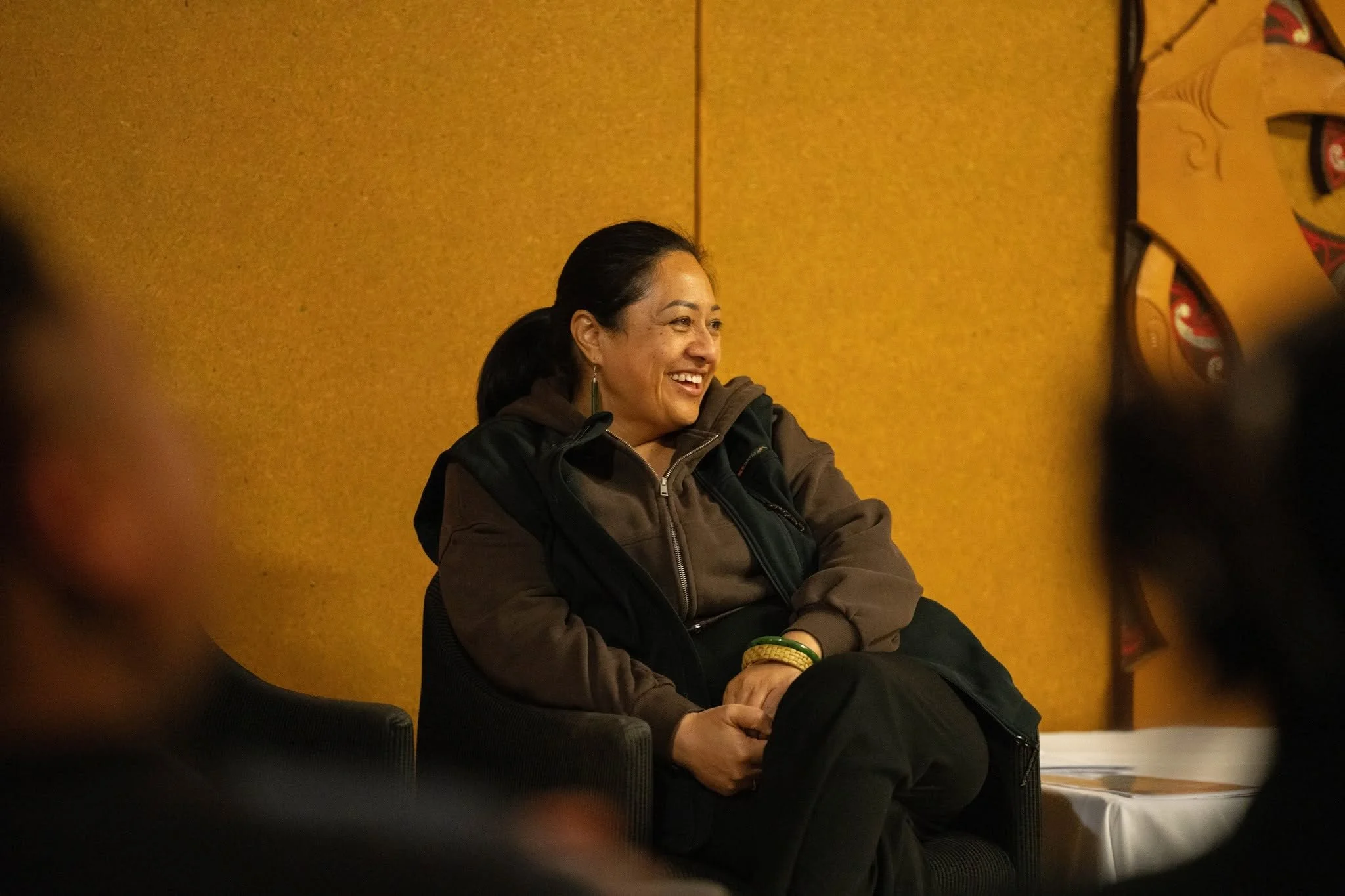
Alisi Dickson is one of our incredible MADE to Lead whānau, who is taking all that she has learned, and all that has been invested into her, to make a truly HUGE difference for her wider whānau. Alisi was elected Chair of Nga Uri o Te Keeti Kōmiti, and took the step to make that opportunity count, in a powerful and transformative way. She conceived an idea for a weekend of restoration - to bring the whānau together, back to their marae, to connect and begin a journey of healing and restoration together. Pulling together a committee, funding, and a team of facilitators, the Te Keeti Restoration Wānanga was held over the weekend of September 18-20.
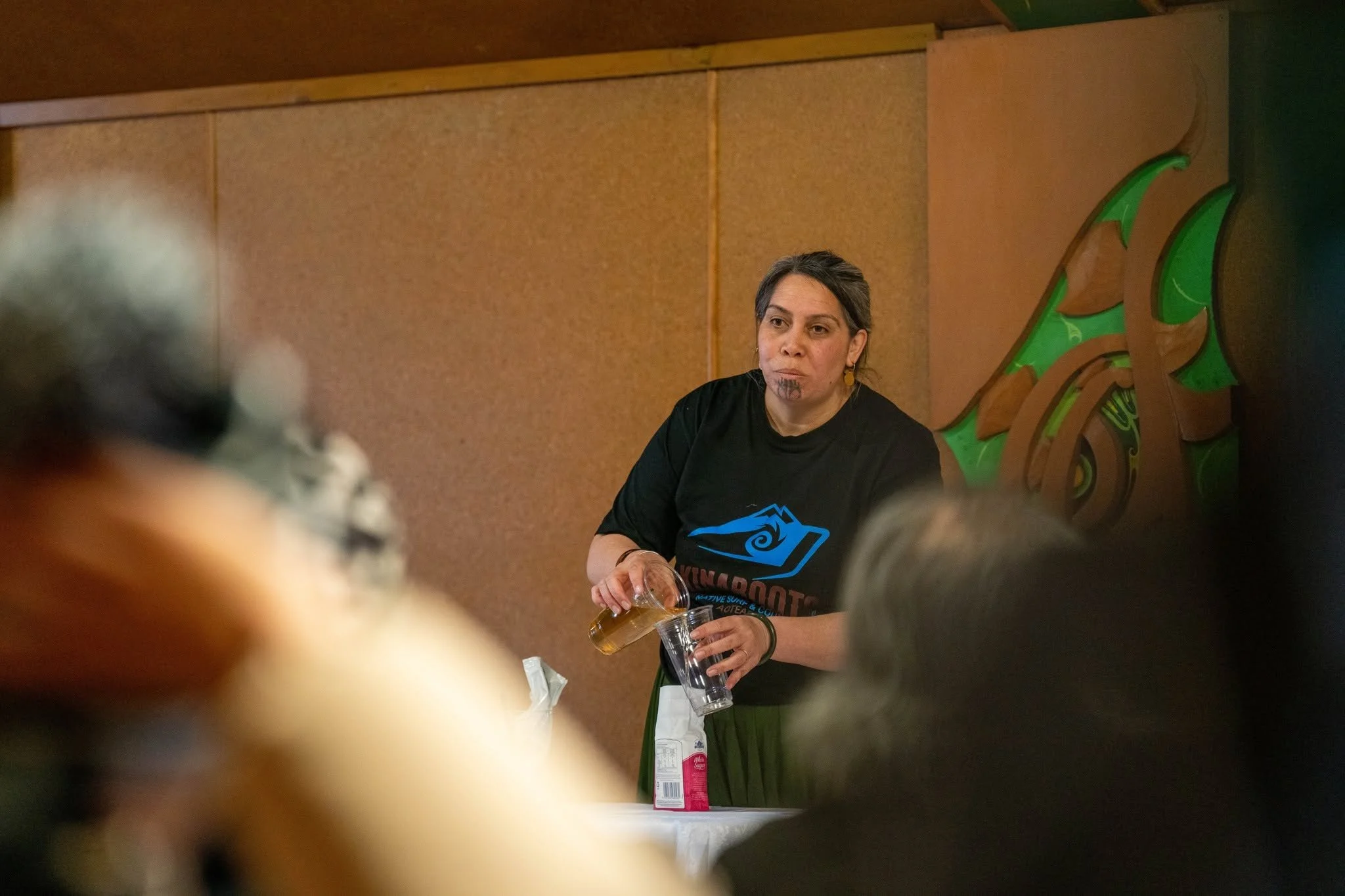
As part of the weekend, Alisi took a team of four from our Core Group to deliver their first workshop - an adapted version of Flourishing People to help whānau begin their journey of healing.
Here is the story in Alisi’s own words:
Kia ora koutou,
I wanted to share some good news with Whakamana Ora whānau, because in many ways what has recently taken place within my own Te Keeti whānau is also part of the fruit of the people, relationships and spaces that have invested into my own leadership journey.
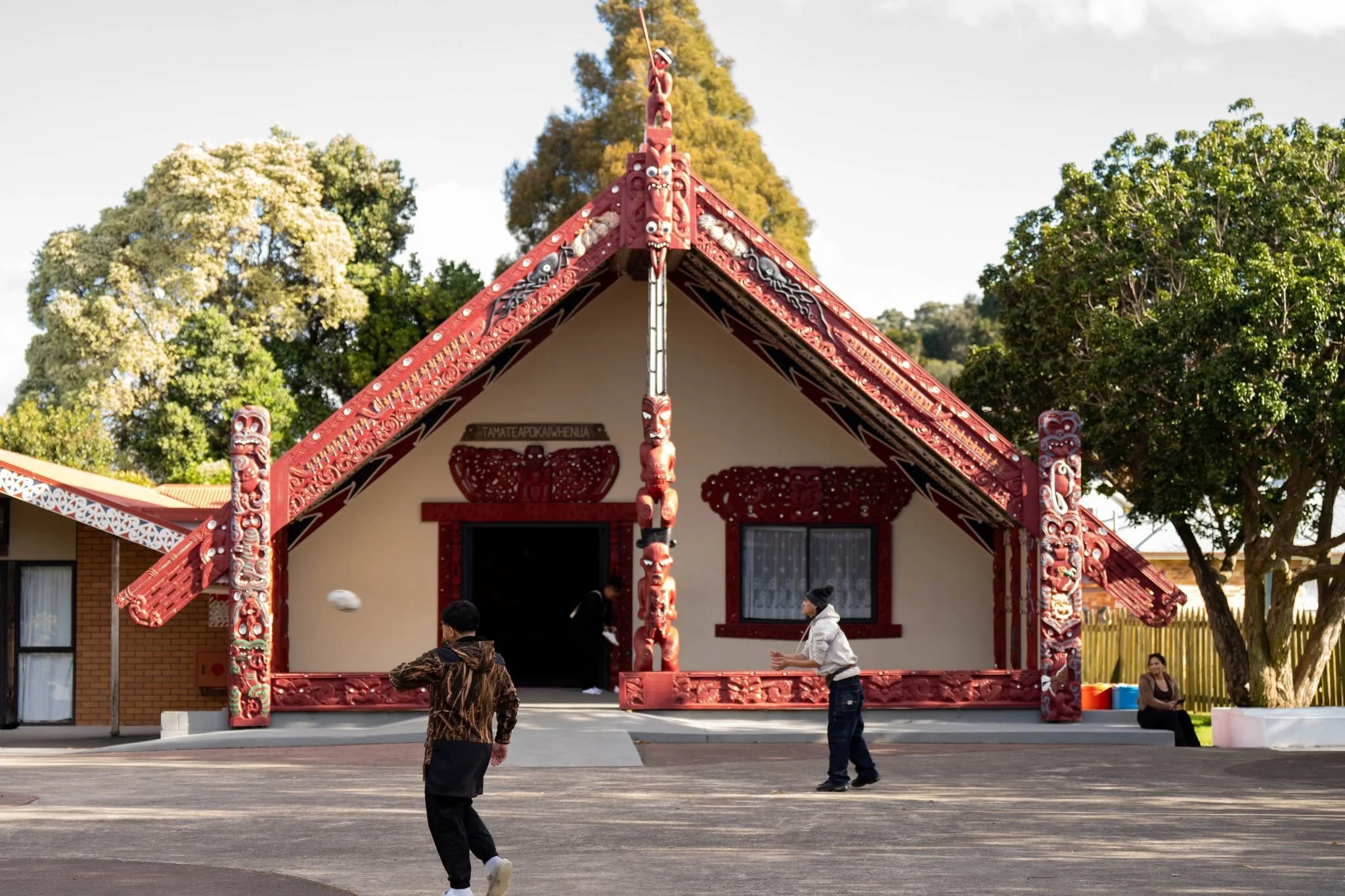
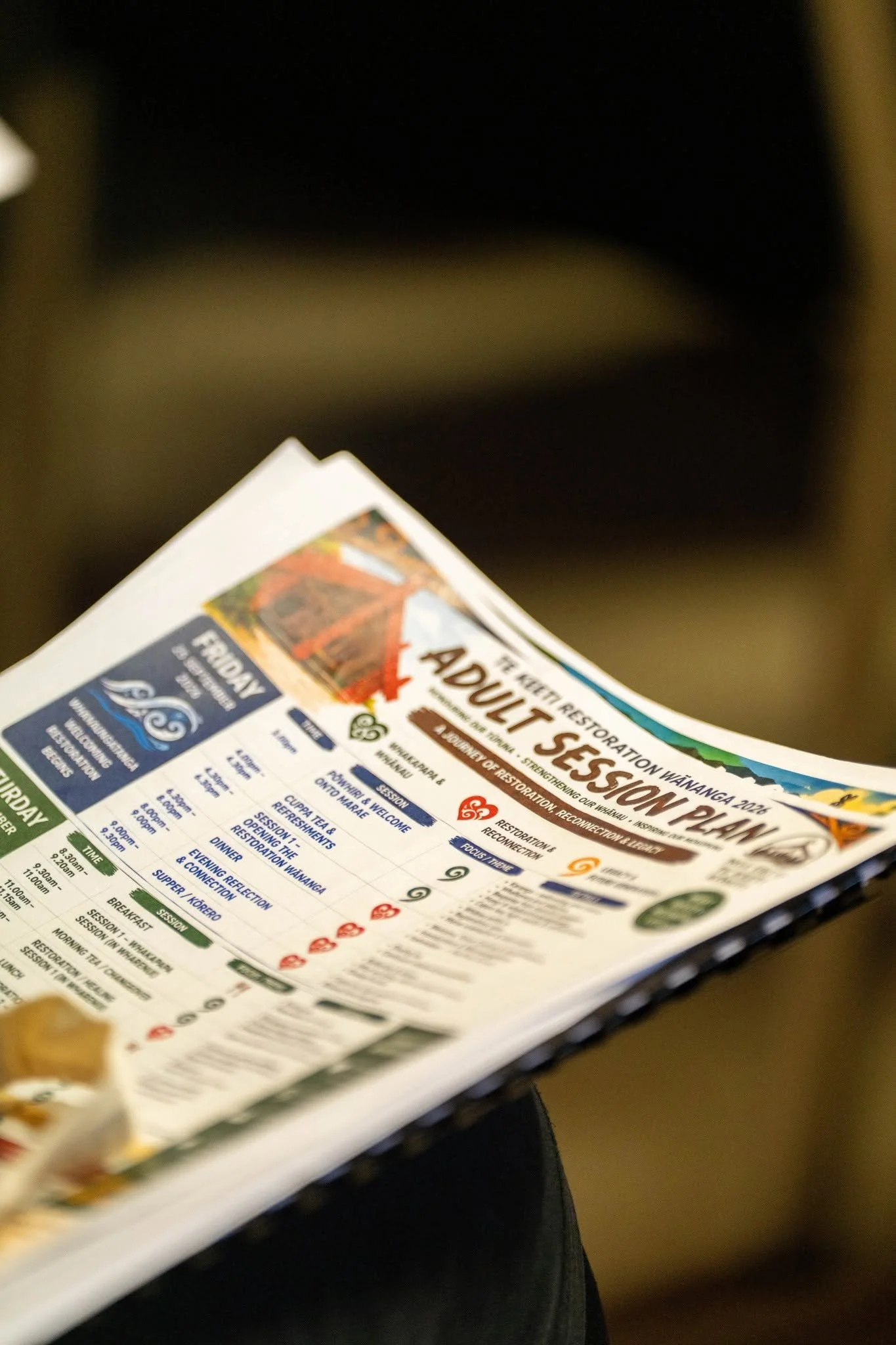
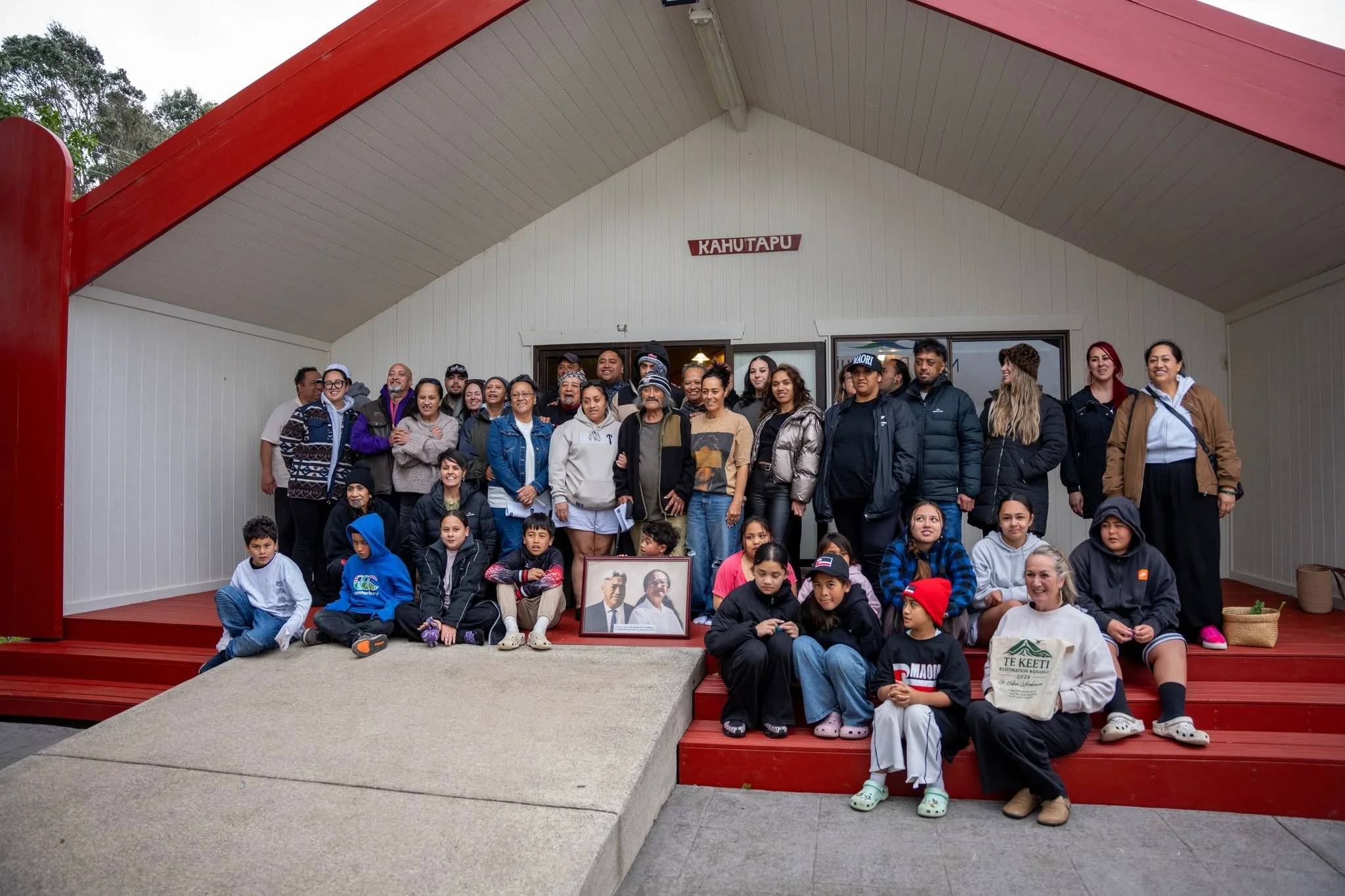
In September 2026, I had the privilege of leading our inaugural Te Keeti Whānau Restoration Wānanga – He Hīkoi Whakaora: A Journey of Restoration, Reconnection & Legacy, held at Wairoa Marae.
This was much more than organising an event.
For me personally, it represented years of my own lived experience, healing, faith, growth, leadership development and an increasing conviction that some of the things God allows us to walk through can eventually become something we use to help create safer pathways for others.
Whakamana Ora has been one of the important “villages” in that journey for me.
Alongside my faith, my whānau, mentors, other God-given relationships and my own personal experiences, the leadership community I have experienced through Whakamana Ora has helped me grow in confidence, recognise what I carry, understand the importance of leading from lived experience, and believe that I could help lead meaningful change within my own whānau, hapū and wider community.
The vision
My vision was never to suggest that one weekend could “heal” generations of mamae.
Instead, I wanted to help create a culturally grounded, faith-informed and trauma-aware environment where our whānau could come home, reconnect, learn, reflect, laugh, cry, celebrate, ask questions, strengthen relationships and perhaps take one healthy next step.
The phrase that has stayed with us since the Wānanga is:
A seed was sown.
What happened
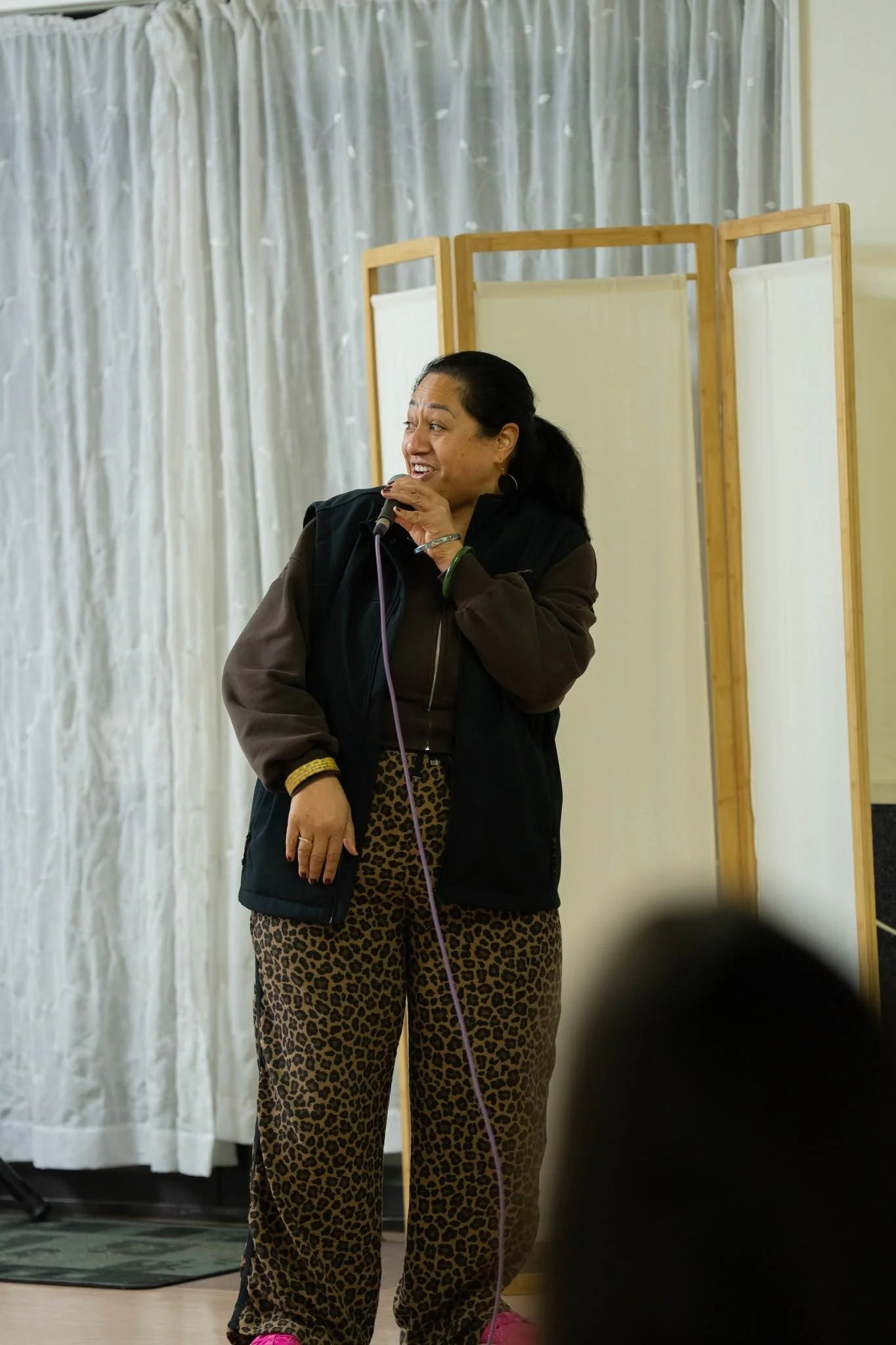
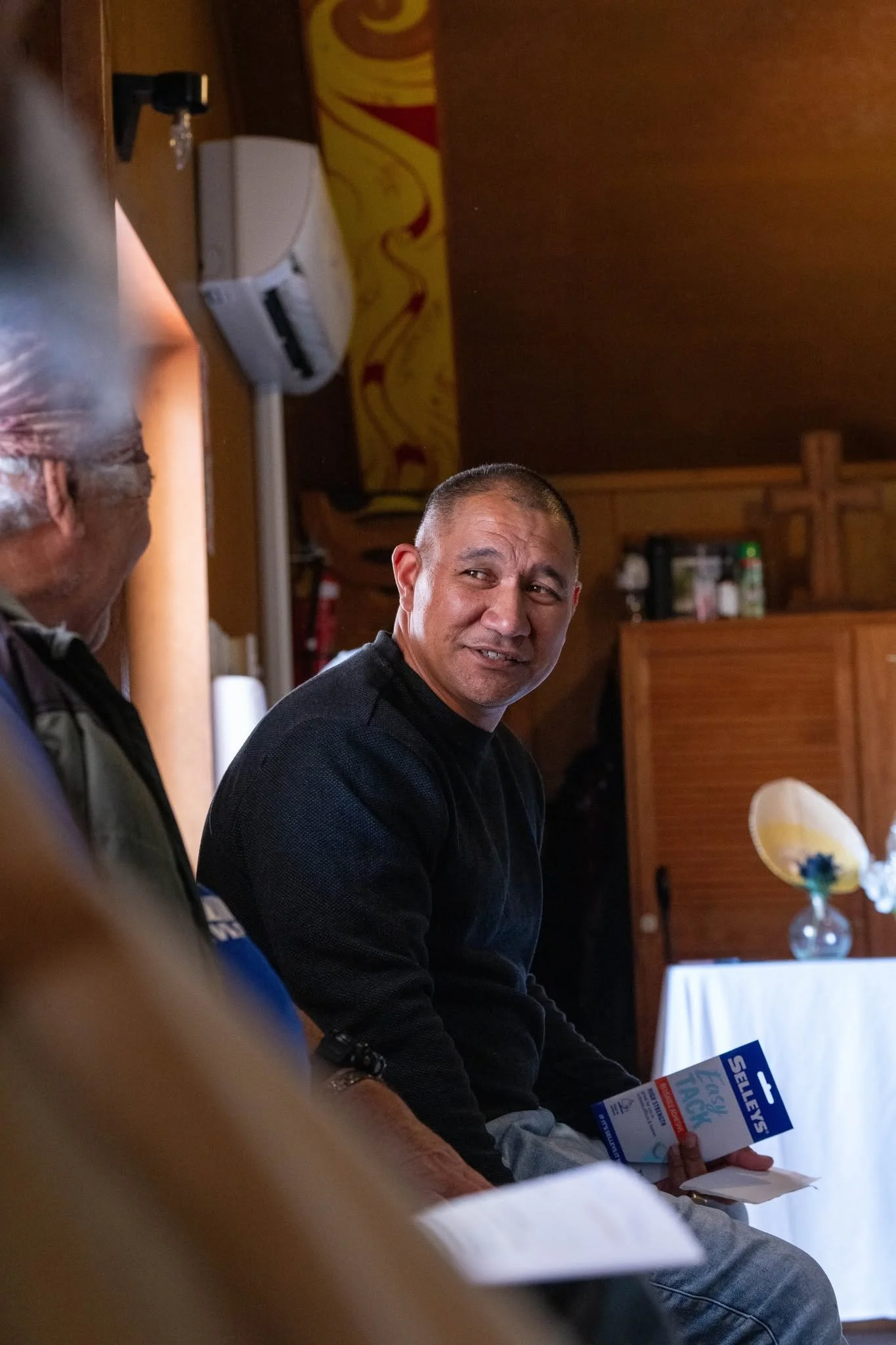
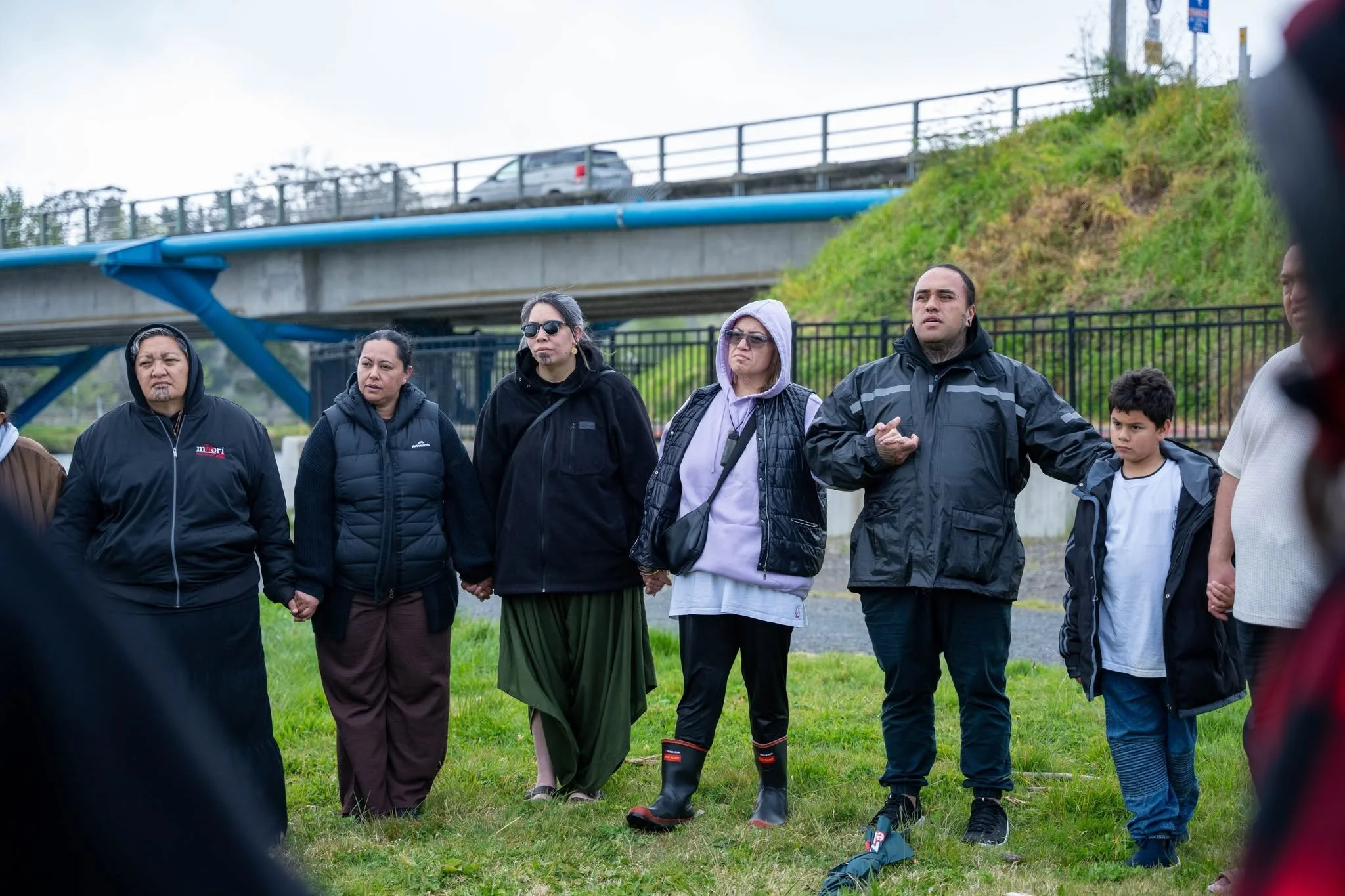
Over three days our whānau gathered for whakapapa, restoration and wellbeing sessions, cultural learning, whānau testimonies, waiata and haka, tamariki and rangatahi activities, shared kai, Te Pō Whakanui, prayer and reflection, an urupā journey and a powerful tikanga-based experience at Wairoa Awa.
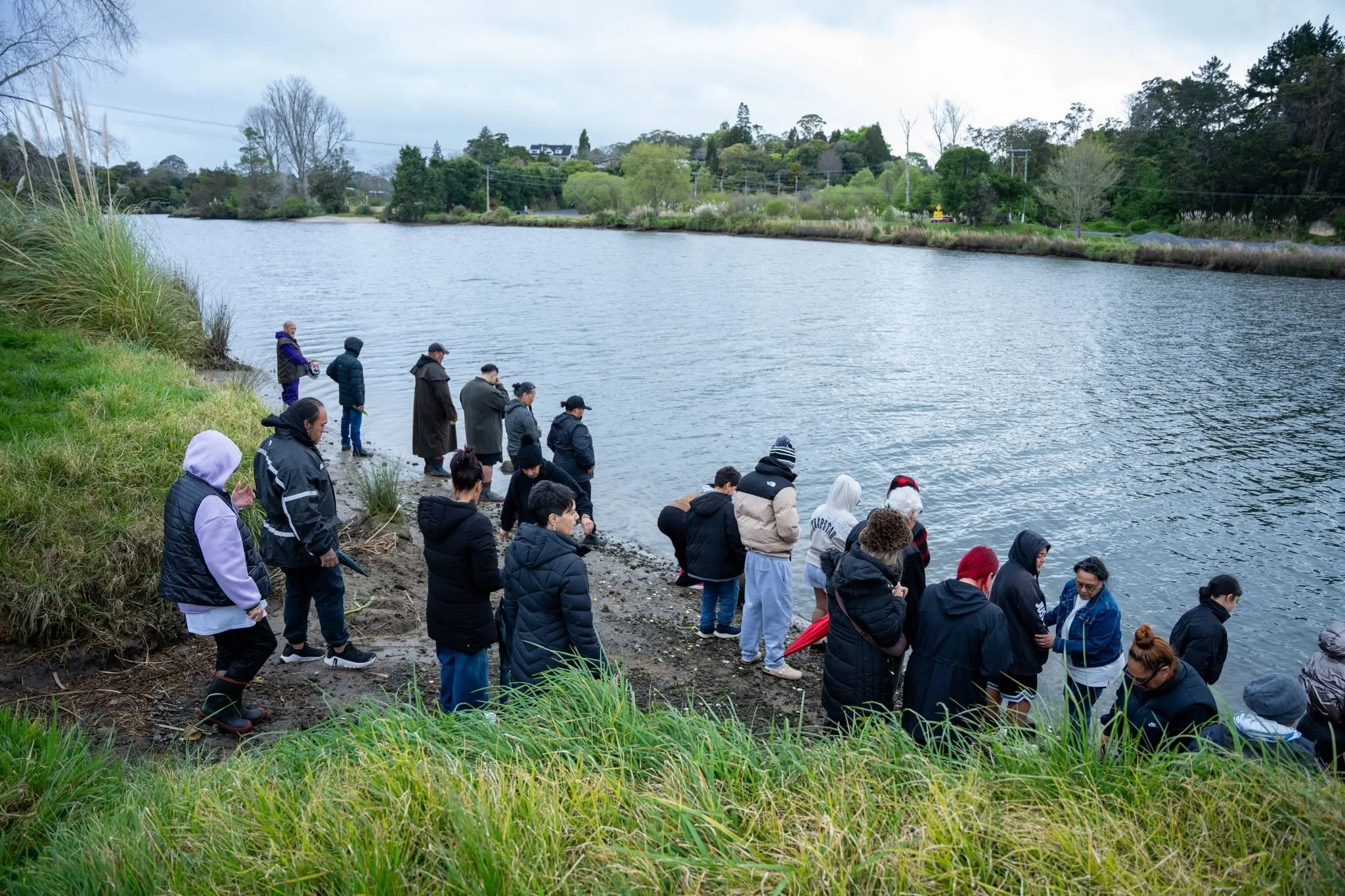
One of the beautiful moments came when we adapted a planned release activity and instead gathered kawakawa and went to our awa.
Our kuia led us in kōrero about the history and significance of Wairoa Awa, followed by tikanga and karanga, before whānau were invited to symbolically release mamae, unforgiveness and things they no longer wanted to continue carrying.
It became an expression of restoration that connected wairua, whakapapa, whenua and whānau.
The reach
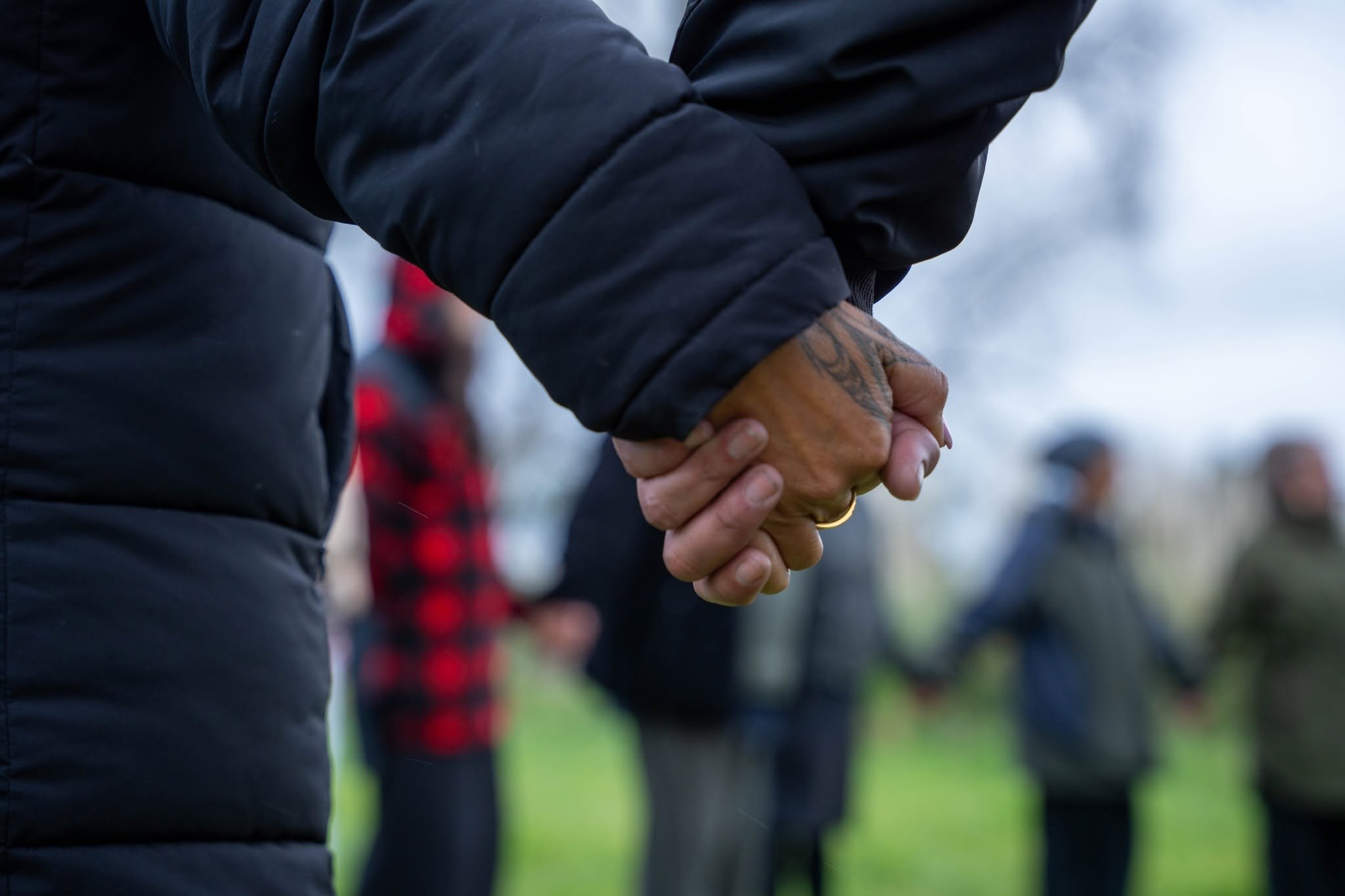
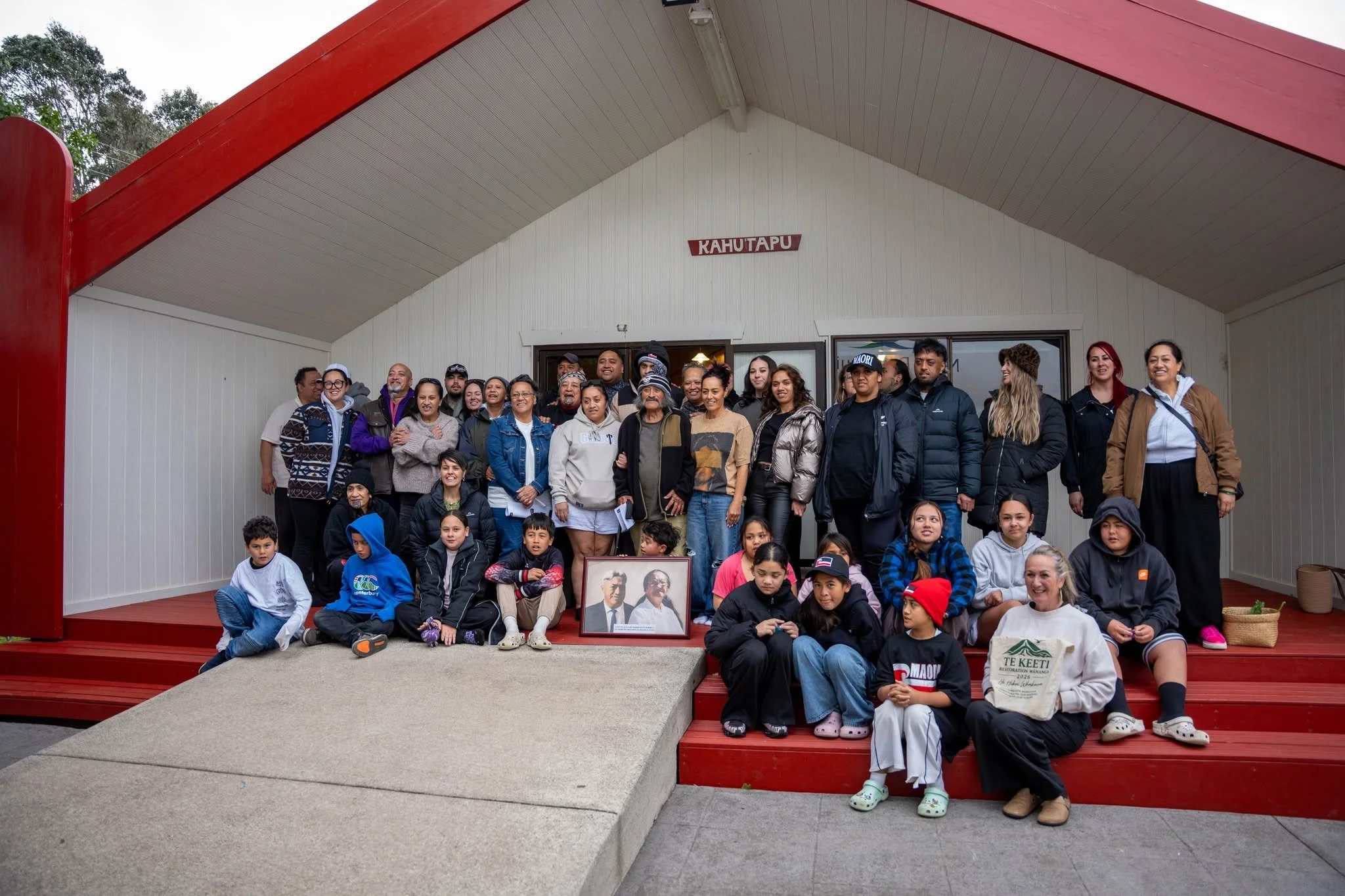
We estimate that approximately 123–128 whānau members participated across the weekend. This included multiple generations – kaumātua and kuia, adults, parents and caregivers, rangatahi, tamariki and pēpi.
For me, one of the greatest achievements was seeing generations together.
Some whānau were reconnecting after many years.
Some were meeting relatives for the first time.
Some were learning whakapapa they had never previously known.
Our tamariki and rangatahi were not treated as an “add-on”. They had their own spaces, activities and cultural experiences and were part of the celebration and legacy of the weekend.
What whānau told us
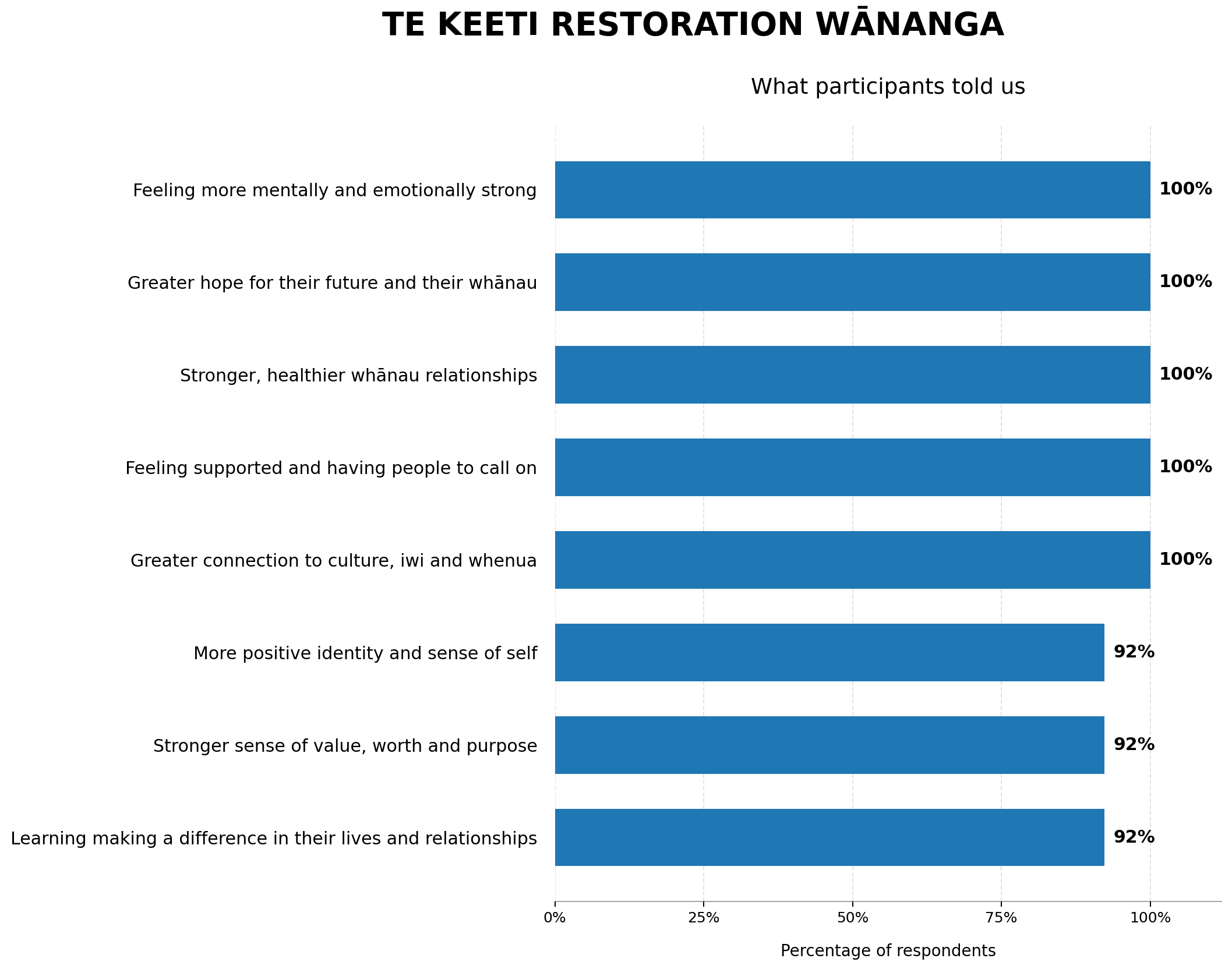
We gathered pre-Wānanga surveys, post-Wānanga participant feedback, facilitator and kaimahi observations and later held two online whānau check-ins.
The results have been incredibly encouraging (see graphic right).
Here is some of the feedback we received:
“To see the healing of those who were wronged in the younger lives was very powerful and to know that our Heavenly Father was part of this healing.”
“The tools and resources the speakers presented before us really made us expand our understanding and put words to our trauma.”
“It has really helped me realise that I’m not alone in the things that I go through…”
“It’s helped me understand find where my struggles stem from and that it’s not just a me problem it’s something that has effected my loved ones as well.”
“Provided a safe caring environment to really embrace whanau and lifetime trauma by sharing and seeing whanau who are genuine in the kaupapa of unity and healing.”
“I felt belonging. Not being alone. Involved. Connected.”
“It has opened a window and door for my whānau to openly without shame share in one another's journey towards healing and restoration. Our whānau now have trauma informed reflective tools, knowledge and hope for the future. We also reconnected in such a meaningful and deep way as a whānau and layers were peeled back from trauma and wounds we have experiences. The journey of restoration has begun, and seed was planted to encourage our family to nurture and grow both individually and person.”
Our facilitators also observed whānau becoming more confident, asking questions, sharing stories, forming new connections and showing greater engagement with whakapapa and cultural identity.
We are careful not to overstate this. These are early, self-reported outcomes.
Restoration is not completed in a weekend. But something began.
What this has meant for my own leadership
Leading this kaupapa stretched me tremendously.
It required me to carry a vision over many months, establish and work alongside a whānau Kōmiti, navigate funding, budgets, governance, programme development, cultural considerations, wellbeing and trauma-informed practice, facilitators, marae relationships, registrations, communications, logistics, conflict, family dynamics and the emotional responsibility of carrying something very close to my own story.
There were times when I questioned whether I had the capacity to do it.
But one of the biggest lessons I have taken from this journey is that leadership is not about doing everything yourself.
It is about recognising the vision, bringing the right people together, creating space for others to contribute their gifts, remaining teachable, adapting when needed and continuing to lead from a place of service.
I also learned that leaders need villages.
Whakamana Ora has been one of those villages for me.
It has given me access to people who have challenged me, encouraged me, helped me think differently, strengthened my confidence and reminded me that lived experience is not something that disqualifies us from leadership.
Sometimes it becomes part of what equips us.
The investment made into one person does not always stop with that person.
Sometimes it flows into a marriage.
Into children.
Into a workplace.
Into a church.
Into a community.
And sometimes, as I have now had the privilege of seeing, it can flow back into an entire whānau.
Where to from here
Our Wānanga has finished, but He Hīkoi Whakaora (the restoration journey) continues.
We have already held post-Wānanga Zoom check-ins so whānau can reconnect, talk about how things have been since the weekend and continue giving feedback.
Whānau have asked for more opportunities to gather.
They want more whakapapa.
More reo and cultural learning.
More connection with whenua and urupā.
More space for tamariki and rangatahi.
More informal time together.
And another Restoration Wānanga.
My hope is that over the coming years we can continue nurturing what was planted – through formal Wānanga, smaller gatherings, online connection, whakapapa learning, restoration kaupapa and opportunities that strengthen relationships across generations.
My gratitude
To the Board and leadership whānau of Whakamana Ora: Ngā mihi nui.
Thank you for being one of the communities that has invested into me.
Sometimes leadership development programmes do not get to see where their investment eventually goes.
I want you to know that part of what has been poured into me has now been poured back into my own whānau.
The confidence to step forward.
The courage to carry a vision.
The willingness to tell my story.
The understanding that leadership can come from lived experience.
The importance of creating safe spaces.
The ability to bring people around a shared purpose.
And the belief that transformation begins when ordinary people are empowered to lead within the places where they already have relationship, whakapapa and influence.
I am sharing our Wānanga video with you because I would love you to see a glimpse of what was created.
Behind this video is months of work.
But behind those months are years of people sowing into me.
And now I have had the privilege of sowing something back into my whānau.
That is leadership legacy to me.
The seed has been sown.
My prayer is that my children, my whānau and generations I may never meet will one day enjoy some of the fruit.
He Hīkoi Whakaora – the journey continues
With aroha and deep gratitude,
Alisi Sauritaka Dickson
Chairperson – Ngā Uri o Te Keeti Kōmiti
Te Keeti Restoration Wānanga 2026